So, you’ve started a blog or a social media channel, and you’re consistently putting out content that people actually enjoy. That’s amazing! But let’s be real: while “passion” is the fuel, “profit” is what keeps the lights on.
If you’ve been looking for a way to monetize your influence without creating your own products or dealing with the “race-to-the-bottom” of ad revenue, affiliate marketing is your best friend. It’s one of the most powerful ways to build a passive income stream by simply recommending the products you already use and love.
But here’s the problem: when you’re a new creator, the world of affiliate marketing feels like a massive, confusing maze. Do you go for the “big names”? Are you going to get rejected because your traffic isn’t in the millions? Which network actually pays on time?
In this guide, we’re stripping away the jargon. We’ll look at how affiliate marketing works, the massive benefits it offers, and—most importantly—the top 10 networks that are actually welcoming to beginners. Let’s get you paid!
What is Affiliate Marketing and How Does It Work?
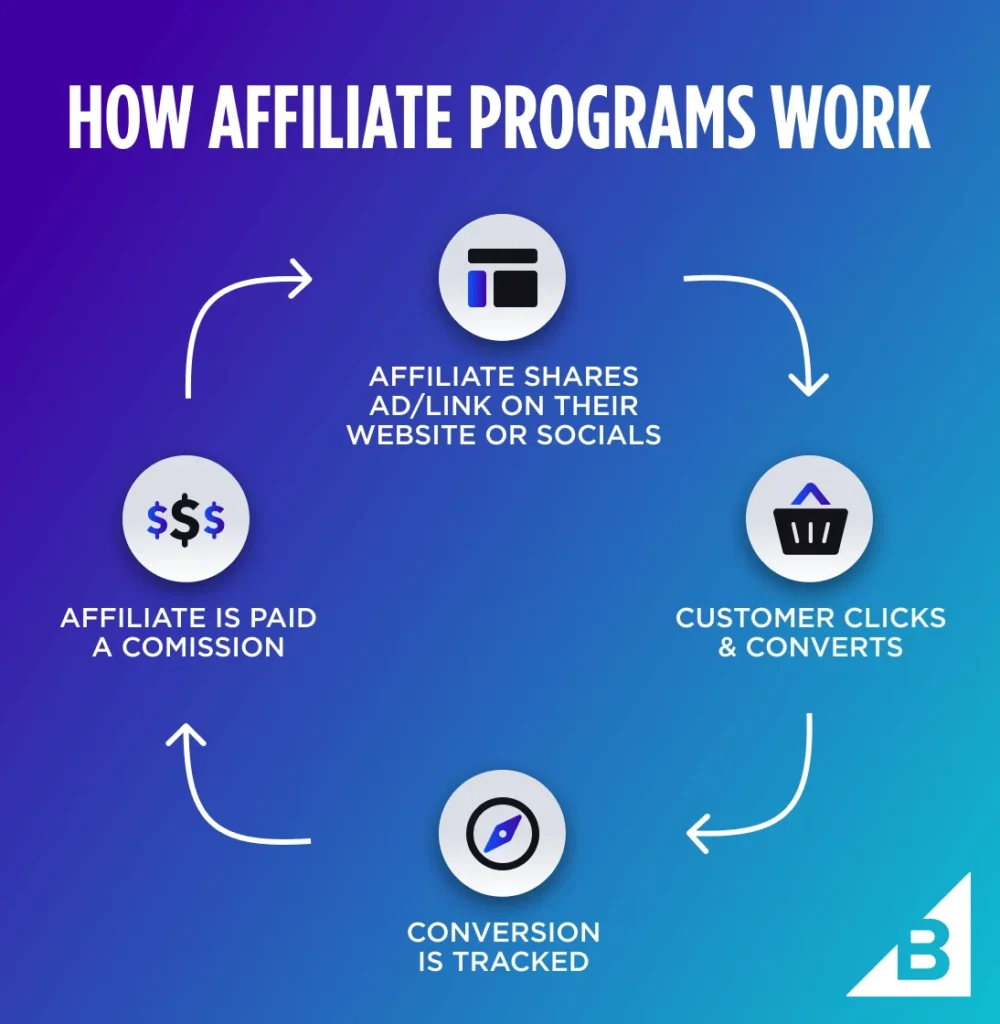
At its core, affiliate marketing is a performance-based partnership. You (the affiliate or creator) promote a product or service from a brand (the merchant). When someone makes a purchase through your unique “affiliate link,” the brand pays you a commission.
It’s a win-win-win:
The Brand gets a sale they wouldn’t have had otherwise.
The Customer gets a recommendation for a product that solves their problem.
You get a slice of the profit for your marketing efforts.
The “Magic” Behind the Link
How does the brand know you were the one who sent the customer? It’s all about cookies. No, not the chocolate chip kind!
When someone clicks your link, a small file (a cookie) is stored on their browser. This file has an “expiry date”—for example, 30 days. If that person clicks your link today but doesn’t buy until 25 days later, you still get the credit and the commission.
Why Affiliate Marketing is the Ultimate “Creator Business”
If you’re on the fence about joining a network, consider these benefits:
Zero Product Hassle: You don’t have to manufacture anything, ship boxes, or deal with angry customer support emails. You just focus on the story and the link.
Low Start-Up Cost: Most affiliate networks are free to join. You don’t need a massive budget; you just need a platform (like a blog, YouTube channel, or Instagram page).
Passive Income Potential: A blog post you write today can earn you commissions for years. It’s the closest thing to “making money while you sleep.”
Scalability: You aren’t trading your time for money. Whether 10 people or 10,000 people click your link, the amount of work you did remains the same—but the paycheck changes drastically.
Top 10 Affiliate Networks for New Bloggers and Creators
Ready to sign up? These networks are known for being beginner-friendly, having a wide range of products, and offering reliable tracking.
1. Amazon Associates
This is the “Old Faithful” of affiliate marketing. Since almost everyone already has an Amazon account, the conversion rates are incredibly high.
Why it’s great for beginners: They have millions of products. If you can’t find something to promote on Amazon, it probably doesn’t exist.
The Catch: Commissions are generally low (1% to 10%), and the cookie only lasts 24 hours.
2. ShareASale
ShareASale has been around for decades and hosts over 16,000 merchants. You’ll find everything from niche fashion brands to high-tech software.
Why it’s great for beginners: The interface is a bit “retro,” but the approval process is straightforward, and they host many smaller brands that are eager to work with new creators.
3. Awin
Awin is a global giant, especially strong in the UK and Europe but growing fast everywhere. They work with massive brands like Etsy, HP, and AliExpress.
Why it’s great for beginners: They have a very high-quality list of merchants.
Note: There is a small sign-up fee (usually around $1/₹100) to verify your account, which is refunded once you make your first sale.
4. CJ Affiliate (formerly Commission Junction)
If you want to work with the “big boys” (think Fortune 500 companies), CJ is where you go.
Why it’s great for beginners: Their “Content Certified” program helps creators get noticed by premium brands even if their audience is still growing.
5. ClickBank
ClickBank is the king of digital products. We’re talking E-books, online courses, and software.
Why it’s great for beginners: You don’t even need a website to get started. Commissions are also much higher than physical products—often 50% to 75%!
6. Impact
Impact is a modern, tech-forward platform used by brands like Adidas, Airbnb, and Levi’s.
Why it’s great for beginners: Their dashboard is beautiful and easy to use. They also make it very easy to reach out to brands directly for partnerships.
7. Rakuten Advertising
Originally from Japan, Rakuten is now a global powerhouse. They are quite selective, but once you’re in, you get access to high-end lifestyle and tech brands.
Why it’s great for beginners: Their “Personalized Deep Linking” tool makes it super easy to link to specific product pages.
8. Skimlinks (The Lazy Creator’s Choice)
Don’t want to manually create affiliate links? Skimlinks is an “aggregator.” You install a small piece of code on your blog, and it automatically turns ordinary links into affiliate links.
Why it’s great for beginners: It saves a massive amount of time and gives you access to thousands of networks in one go.
9. PartnerStack
If your audience is interested in B2B (Business-to-Business) or SaaS (Software as a Service), PartnerStack is the gold standard.
Why it’s great for beginners: Software commissions are often recurring. This means if you refer someone to a tool like Jasper or Loom, you get paid every month they stay a subscriber. (Affiliate Link)
10. Fiverr Affiliates
Everyone needs a freelancer at some point. By promoting Fiverr, you can earn by referring people to logo designers, writers, or developers.
Why it’s great for beginners: It’s an easy “sell.” Almost any business owner or creator can find value on Fiverr.
Challenges: The “Growing Pains” of Affiliate Marketing
It’s not all sunshine and beach-side laptops. Here’s what usually trips up beginners:
The “Approval” Hurdle: Some networks require you to have a professional-looking website before they’ll let you in. Pro-Tip: Make sure you have at least 5–10 high-quality posts before applying.
Disclosure Laws: In many countries (like the US and India), you are legally required to tell your audience that you use affiliate links. Transparency builds trust, so don’t skip this!
The “Slow Burn”: Affiliate marketing is a marathon, not a sprint. It might take 3–6 months before you see your first consistent payouts. Don’t give up!
Future Trends: Where is Affiliate Marketing Heading?
The industry is shifting toward Authenticity and Micro-Niches.
The Rise of the “Micro-Creator”: Brands are realizing that a creator with 2,000 highly engaged fans is often more valuable than a celebrity with 2 million “ghost” followers.
Video Commerce: TikTok Shop and YouTube Shopping are making it possible to buy products inside the video. In the future, the “link in bio” might disappear in favor of direct on-screen purchasing.
AI-Personalized Offers: Networks will soon use AI to help you figure out exactly which products your specific audience is most likely to buy, taking the guesswork out of your strategy.
Conclusion: Your Turn to Start
Affiliate marketing isn’t just a side hustle; it’s a way to build a sustainable, long-term business that rewards you for being helpful to your audience.
The “Best” network is the one that aligns with what your audience actually needs. If you’re a book reviewer, start with Amazon. If you’re a tech nerd, look at PartnerStack. If you’re a lifestyle blogger, ShareASale is your home.
The most important step is simply to start. Sign up for one network today, pick one product you truly believe in, and share it with your audience. The journey to financial freedom starts with a single click.
No Responses