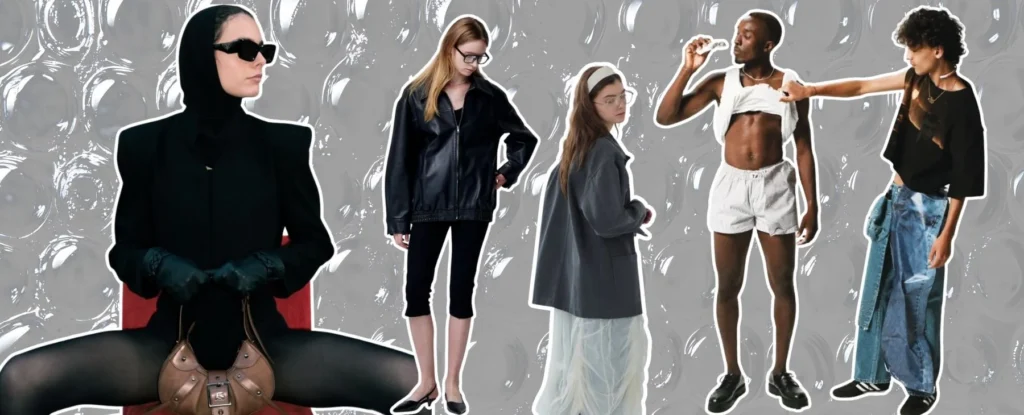
Let’s be honest: our closets have been through a lot lately. Between the frantic “micro-trend” madness of the early 2020s and that nagging realization that we have “nothing to wear” despite a wardrobe bursting at the seams, many of us are reaching a breaking point. But as we move through 2026, a new vibe is taking over the streets and our social feeds. It’s not about buying more; it’s about buying better.
Sustainable fashion is no longer a niche movement for the ultra-eco-conscious or those with an unlimited budget. It has become the standard for the modern, stylish individual who values quality, ethics, and—let’s face it—a stress-free morning routine. The secret weapon in this revolution? The Capsule Wardrobe.
In this comprehensive guide, we’re going to walk you through exactly how to build a high-quality, sustainable capsule wardrobe that doesn’t just look incredible on your Instagram feed, but feels good for the planet and your bank account.
What Exactly is Sustainable Fashion in 2026?
To understand why we’re building a capsule wardrobe, we first need to define what “sustainable” actually means today. In 2026, the industry has moved past vague “eco-friendly” labels that didn’t really mean much. We are now in the era of Radical Transparency and Circular Economy principles.
How it Works: Sustainable fashion is a holistic approach to clothing. It considers the entire lifecycle of a garment:
Fiber Production: How the raw materials are grown. For example, regenerative cotton is a massive trend in 2026 because it actually restores the soil rather than stripping it of nutrients.
Manufacturing: Are the workers paid a living wage? Are the factories using renewable energy?
End-of-Life: What happens when you’re done with the piece? Can it be composted? Is it designed to be easily recycled back into new fabric?
With the widespread adoption of Digital Product Passports (DPP) this year, you can now scan a tag on most high-quality garments to see their exact carbon footprint, the factory’s location, and repair instructions.
The Benefits of This Shift: The benefits are twofold. For the planet, we see a reduction in the 92 million tonnes of textile waste that used to hit landfills annually. For you, the benefit is Longevity. In 2026, we’ve returned to the idea that a shirt should last a decade, not just a season.
The Capsule Wardrobe: Your Secret to “Closet Zen”
A capsule wardrobe is a curated collection of roughly 30 to 40 versatile pieces (including shoes and accessories) that can be mixed and matched to create an almost infinite number of outfits. Think of it as the “work smarter, not harder” hack for your personal style.
Why Everyone is Doing It in 2026:
Zero Decision Fatigue: You know those mornings where you try on five outfits and hate them all? A capsule wardrobe eliminates that. Every piece already goes with every other piece.
Cost Efficiency: While a sustainable hemp blazer might cost more upfront, the “Cost Per Wear” is significantly lower than a cheap fast-fashion version that falls apart after three washes.
Sustainability by Default: By choosing fewer, better items, you naturally participate in the Slow Fashion movement.
[Image suggestion: A bright, minimalist wardrobe with a wooden rack holding a few high-quality neutral items and a pair of clean white sneakers] Alt Text: A minimalist sustainable capsule wardrobe for 2026 featuring high-quality neutral staples on a wooden rack.
How to Build Your 2026 Capsule Wardrobe: A 2000-Word Masterclass
Building a capsule isn’t a weekend project; it’s a journey toward understanding your own identity. Here is the step-by-step blueprint to doing it right this year.
Step 1: The Great Wardrobe Audit
Before you buy anything “sustainable,” you must look at what you already own. The most sustainable garment is the one already in your closet!
Empty everything onto your bed. Group them into these four categories:
The Daily Drivers: You love these. They fit perfectly, and you feel like the best version of yourself when you wear them.
The “For My Future Self”: Items that don’t fit right now but you’re keeping “just in case.” (Spoiler: It’s time to let most of these go).
The Menders: High-quality pieces that just need a new button or a slight hem.
The Departures: Items that are worn out or simply don’t reflect who you are in 2026.
Step 2: Define Your 2026 Color Palette
In 2026, personal style has officially replaced “Quiet Luxury” as the dominant aesthetic. However, for a capsule to work, you need a cohesive palette.
Base Colors (60%): Choose 2-3 neutrals that anchor your look. This year, “Cloud Dancer White” and “Caramel Khaki” are the favorites, replacing the stark blacks of the past.
Accent Colors (30%): Choose 2 colors that make you happy. “Transformative Teal” and “Electric Fuchsia” are trending 2026 shades that add energy to a neutral base.
Texture & Prints (10%): Use textures like linen or subtle weaves to add depth without adding clutter.
Step 3: Prioritize 2026 “Power Materials”
In 2026, we are seeing a massive shift in what clothes are actually made of. To ensure your capsule is high-quality, look for these labels:
Hemp & Organic Linen: These are the “Climate Heroes.” They grow fast, require almost no pesticides, and get softer with every single wash.
Tencel (Lyocell): A silky-smooth fabric made from eucalyptus wood pulp. It’s a “closed-loop” fabric, meaning 99% of the chemicals used to make it are recycled.
Innovative Bio-Leathers: Look for accessories made from Mycelium (mushroom) or Cactus leather. They are durable, cruelty-free, and finally hit the mainstream this year.
Recycled Tech: Recycled polyester (rPET) is great for activewear, but ensure it’s certified to minimize microplastic shedding.
Step 4: The “Rule of 5” Filter
Every new addition to your capsule must pass this test: “Can I style this in at least 5 different ways with what I already own?”
A white button-down? Yes: under a blazer, over a bikini, tucked into jeans, tied at the waist with a skirt, or worn as a light jacket.
A neon-sequined mini skirt? Probably not. That belongs in your “Statement” collection, not your core capsule.
Essential Staples for the 2026 Capsule
If you’re starting from scratch, here are the “Big Five” items that form the foundation of most successful capsules this year:
The Modular Trench: A high-quality, water-resistant trench in a neutral shade. In 2026, the best versions have removable sleeves or linings, making them a 3-in-1 tool.
The Straight-Leg Raw Denim: We’ve moved away from the “disposable” stretchy jeans. Raw denim is sturdy, sustainable, and molds to your body over time.
The Oversized “Hero” Shirt: Made from heavy organic cotton or linen. It works for the office, the beach, and everywhere in between.
The Responsible Knit: A chunky sweater made from RWS-certified wool or recycled cashmere.
The “Do-It-All” Sneaker: A clean, minimalist white sneaker made from recycled materials or vegan leather.
The Challenges: Navigating the 2026 Fashion Landscape
It’s not all sunshine and organic cotton. Building a sustainable wardrobe comes with real hurdles.
The Greenwashing Trap: Many brands are desperate to look eco-friendly. In 2026, “Greenwashing” is more sophisticated. Don’t trust a brand that just says “Earth Friendly.” Look for B Corp certification, GOTS (Global Organic Textile Standard), or Fair Trade logos. If they don’t have data, don’t give them your dollars.
The Upfront Investment: Yes, a $150 hemp shirt is more expensive than a $15 fast-fashion one. The challenge is shifting your mindset from “spending” to “investing.”
The Sizing Struggle: Sustainable brands often have smaller production runs, which can make inclusive sizing a challenge. However, the rise of AI-driven virtual try-ons in 2026 is helping shoppers find the perfect fit the first time, reducing the environmental impact of returns.
Future Trends: Sustainable Fashion in 2027 and Beyond
What happens after you’ve built your capsule? The industry isn’t standing still.
Resale as the Primary Market: By 2027, experts predict that the secondhand market will be larger than fast fashion. Apps like Vinted and The RealReal are integrating with brand websites, making “Pre-Loved” the first choice for consumers.
Visible Mending: Having a patch or a beautiful stitch on your clothes is becoming a status symbol. It shows you care enough about your clothes to keep them alive.
3D-Printed Accessories: We are seeing the first 3D-printed shoes and buttons made from bio-compostable materials that can be printed on-demand, eliminating overstock waste entirely.
Interactive: Calculate Your Closet’s “Sustainability Score”
Take a quick look at your current wardrobe and give yourself points:
+10 points for every item you’ve owned for more than 5 years.
+5 points for every natural fiber (linen, wool, cotton) item.
-5 points for every item you bought on a whim and haven’t worn.
+20 points if you can name the person or place where at least one of your items was made.
Score Legend:
0-20: You’re a Fast-Fashion Fan. It’s time for a 2026 reset!
21-50: You’re a Conscious Consumer. You’re halfway to a perfect capsule.
50+: You’re a Sustainability Pro! Share your secrets with us in the comments.
Conclusion: Reclaiming Your Style and Your Time
Building a sustainable capsule wardrobe in 2026 is about so much more than clothes. It’s about rejecting the “disposable” culture that tells us we are never enough. When you curate a closet of high-quality pieces you truly love, you reclaim your morning time, your mental energy, and your personal values.
The path to a better world starts with a single, thoughtful purchase. Or better yet, by reaching into your closet today and finding a new way to wear something you already own.
No Responses