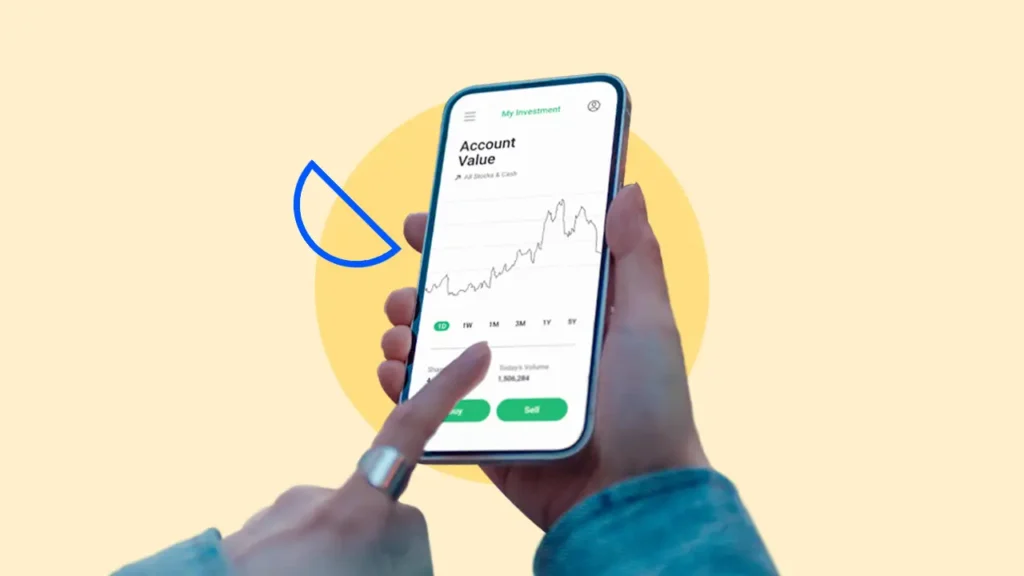
We’ve all seen the movies where high-stakes traders are screaming into phones on a chaotic exchange floor. Fast forward to 2026, and that image is basically a fossil. Today, the “trading floor” is whatever you want it to be: your living room, a quiet corner of a café, or even your morning commute. The power to build a global portfolio has shifted from the elite few to anyone with a smartphone and a bit of curiosity.
But with hundreds of apps claiming to be the “best,” how do you actually pick one that fits your goals? Whether you’re looking to park some savings in safe mutual funds or you want to dive into high-speed intraday trading, your choice of app is your most important investment decision.
In this guide, we’re breaking down the absolute best stock trading apps for 2026, how the tech works behind the scenes, and what the future holds for your money. Let’s get your digital portfolio started!
What are Stock Trading Apps and How Do They Work?
At its core, a stock trading app is a digital bridge. It connects you—the retail investor—directly to the massive stock exchanges like the NSE and BSE in India, or the NYSE and NASDAQ globally.
The Mechanics Behind the Screen: When you tap “Buy” on your screen, a lot happens in the blink of an eye. The app sends your order to the brokerage’s server, which then routes it to the exchange. Within milliseconds, the exchange matches your buy order with someone else’s sell order, and the transaction is settled.
In 2026, these apps do far more than just buy and sell. They act as your personal financial command center. They integrate real-time market data, AI-driven technical charts, and secure payment gateways so you can move money in and out of your bank account seamlessly.
Best Stock Trading Apps for 2026: The Leaderboard
The competition is fierce, but a few platforms have pulled ahead by offering a mix of rock-solid reliability, low fees, and innovative tech.
1. Zerodha Kite (The Gold Standard for Pros)
Zerodha basically invented the discount brokerage model in India, and in 2026, they are still the king of the hill for serious traders.
Why it’s great: The “Kite” interface is legendary for being clean and distraction-free. It offers advanced charting with over 100 indicators and has a reputation for staying stable even when the market is going crazy.
Best for: Active traders and those who love technical analysis.
Link: Check out Zerodha here
2. Groww (The Beginner’s Best Friend)
If the idea of a stock chart makes your head spin, Groww is the answer. It’s designed to feel more like a lifestyle app than a heavy financial tool.
Why it’s great: It has one of the simplest onboarding processes. You can start an SIP (Systematic Investment Plan) in a few taps. In 2026, its educational content is world-class, helping newbies learn the ropes without feeling overwhelmed.
Best for: First-time investors and long-term mutual fund fans.
3. Upstox (The Speed Demon)
Upstox has been backed by big names like Ratan Tata, and for good reason. They prioritize tech speed above all else.
Why it’s great: If you’re into intraday trading where every second counts, Upstox’s lightning-fast order execution is a lifesaver. Their 2026 update includes deep integration with TradingView, allowing you to trade directly from your charts.
Best for: Day traders and scalpers.
4. Angel One (The Research Powerhouse)
Formerly Angel Broking, this app combines the old-school wisdom of a full-service broker with a modern digital interface.
Why it’s great: They offer “ARQ Prime,” an AI-powered advisory tool that gives you specific buy/sell recommendations based on your risk profile. It’s like having a professional advisor in your pocket for free.
Best for: Investors who want expert guidance and research reports.
5. INDmoney (The Global Gateway)
Want to own a piece of Apple, Tesla, or Google? INDmoney is the leader in making US stocks accessible to the Indian market.
Why it’s great: It lets you buy “fractional shares,” meaning you can invest as little as ₹500 in expensive US stocks. It also tracks your entire net worth—from EPF to real estate—in one dashboard.
Best for: Diversifying your portfolio with international assets.
The Benefits: Why We’re All Trading on Our Phones Now
The “App Revolution” has brought some massive perks that our parents never had:
Zero or Low Brokerage: Most modern apps offer “Zero Brokerage” on long-term delivery trades, saving you thousands in hidden fees.
Instant Information: You get “Push Notifications” the second a company releases earnings or a stock hits a certain price. No more waiting for the morning newspaper.
Total Control: You are the CEO of your own money. You don’t have to wait for a broker to pick up the phone; you make the move when you are ready.
Fractional Investing: You don’t need ₹1,00,000 to start. You can start building wealth with the spare change in your pocket.
The Challenges: The Risks You Can’t Ignore
With great power comes great… well, you know. Trading apps are powerful, but they aren’t without risks.
Emotional Trading: Because it’s so easy to tap a button, it’s easy to make impulsive decisions based on “fear of missing out” (FOMO).
Technical Glitches: While rare, apps can crash during peak market hours (like on Budget Day). Always have a backup way to contact your broker.
Cyber Security: You are carrying your life savings on your phone. If you don’t use 2FA (Two-Factor Authentication) and strong passwords, you are vulnerable to hacks.
Information Overload: Sometimes having too much data can lead to “Analysis Paralysis,” where you’re too scared to make a move because every chart says something different.
Future Trends: What Stock Trading Looks Like in 2030
The world of finance doesn’t stand still. Here’s what we’re already seeing start to happen:
Hyper-Personalized AI Advisors: Imagine an AI that knows your goals so well it tells you, “Hey, you have ₹5,000 extra this month—based on your goals, you should put it into this Green Energy ETF.”
Blockchain Settlements: We are moving toward “T+0” settlements, where you sell a stock and the money is in your bank account instantly, rather than waiting 24 hours.
Social Copy Trading: You’ll be able to “link” your portfolio to a professional trader you trust. When they make a move, your app automatically does the same (with your permission, of course).
VR Trading Floors: Don’t be surprised if you’re soon putting on a VR headset to sit in a virtual “war room” with other traders while looking at 3D data visualizations.
Conclusion: Your Wealth, Your Way
In 2026, the “best” app isn’t the one with the most buttons; it’s the one that gives you the most confidence. If you’re just starting, go with Groww or Angel One for the guidance. If you’ve been around the block and want pure speed, Zerodha or Upstox are your best bets.
The most important thing? Just start. Time in the market is always better than timing the market. Pick an app, set up your KYC, and buy your first share. Your future self will thank you for it.
No Responses