We’ve all been there. It’s a week before payday, and you glance at your bank account only to realize that the “comfortable” cushion you thought you had has mysteriously evaporated. Where did it go? Was it the three streaming subscriptions you forgot to cancel? The artisanal coffee habit? Or that “quick” grocery run that somehow cost two hundred dollars?
In a world designed to make us spend with a single click, keeping track of your finances can feel like a full-time job. But here’s the truth: you can’t manage what you don’t measure.
Budgeting used to mean hoarding paper receipts and spending Sunday afternoons hunched over a complex Excel spreadsheet. Thankfully, those days are long gone. Today, the best budget tracking apps act as a financial co-pilot, living in your pocket and doing the heavy lifting for you. In this deep dive, we’re exploring the top tools to help you take control of your cash flow, how these apps actually work, and why mastering your budget is the first step toward true freedom.
What is a Budget Tracking App?
At its core, a budget tracking app is a personal finance tool designed to give you a clear, real-time picture of your income versus your expenses. Think of it as a GPS for your money. Instead of wondering where your paycheck went at the end of the month, these apps tell your money where to go at the beginning.
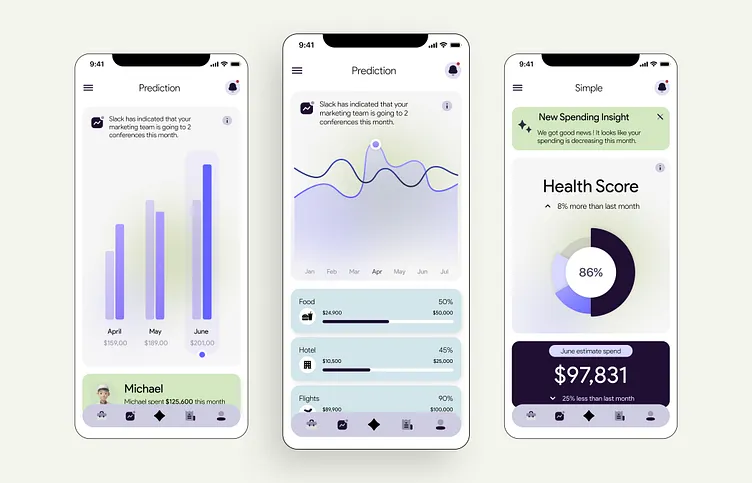
Modern budgeting apps go far beyond simple arithmetic. They connect directly to your bank accounts, credit cards, and investment portfolios to categorize your spending automatically. They provide visual data—like pie charts and spending trends—to show you exactly how much of your wealth is going toward rent, dining out, or savings. Whether you want to pay off debt, save for a house, or simply stop living paycheck to paycheck, these apps provide the roadmap.
How Budget Tracking Apps Work Their Magic
You might worry that tracking every cent is tedious, but the technology behind today’s apps is incredibly efficient. Here is how they typically function:
Account Aggregation: Most apps use secure services like Plaid to link to your various financial institutions. This allows the app to pull your transaction history automatically, so you don’t have to enter data manually.
Auto-Categorization: Using machine learning, the app identifies where you spent your money. If it sees a charge from “Starbucks,” it automatically labels it as “Coffee” or “Dining Out.”
Budgeting Frameworks: Most apps follow a specific philosophy. Some use “Zero-Based Budgeting” (where every dollar has a job), while others focus on the “50/30/20 Rule” (needs, wants, and savings).
Real-Time Alerts: They send notifications when you’re nearing your limit in a specific category or when a large bill is due, helping you make better decisions in the moment.
The Life-Changing Benefits of Budgeting Apps
Why bother downloading another app? Because the psychological and financial benefits are massive:
Reduced Financial Anxiety: Much of our stress comes from the unknown. Knowing exactly how much you can afford to spend takes the “guilt” out of purchasing and the “fear” out of checking your balance.
Identifying “Money Leaks”: You’d be surprised how much those ₹199 subscriptions or small daily treats add up to over a year. Apps highlight these leaks, allowing you to plug them instantly.
Faster Goal Achievement: Whether it’s a vacation or an emergency fund, seeing your progress visualized in a progress bar makes it much more likely that you’ll stay disciplined.
Improved Credit Score: By tracking bill due dates and ensuring you have the funds to cover them, these apps help you avoid late payments, which is a major factor in your credit health.
The Best Budget Tracking Apps to Try Today
The “best” app depends on your personality. Are you a micromanager or a “set it and forget it” kind of person? Here are the top contenders.
1. YNAB (You Need A Budget)
YNAB isn’t just an app; it’s a cult-favorite philosophy. It’s built on the principle of “giving every dollar a job.”
Why it works: It requires you to be proactive. Instead of looking at what you spent last month, you decide how to spend the money you currently have.
Pros: Incredible at helping people get out of debt and break the paycheck-to-paycheck cycle. It offers a wealth of educational resources.
Best For: Serious budgeters who want total control and don’t mind a slightly steeper learning curve.
2. Monarch Money
As Mint.com recently wound down, Monarch Money emerged as a premium, sleek alternative for those who want a modern, ad-free experience.
Why it works: It provides a holistic view of your net worth, investments, and daily spending in a beautiful dashboard.
Pros: Great for collaboration between partners. It allows two people to have their own logins while managing a joint household budget.
Best For: People who want a high-end, comprehensive financial dashboard without the clutter of ads.
3. PocketGuard
If your biggest question is simply, “How much money do I actually have left to spend?” PocketGuard is for you.
Why it works: It calculates your “In My Pocket” number after accounting for upcoming bills, goals, and current spending.
Pros: It’s very simple. It keeps the focus on what’s left for the day or week, preventing overspending in real-time.
Best For: Simple spenders who want a quick, “at-a-glance” answer to their financial status.
4. EveryDollar
Created by personal finance expert Dave Ramsey, this app is the digital version of the “envelope system.”
Why it works: It uses zero-based budgeting. You plan your income and expenses so that at the end of the month, the difference is zero.
Pros: Very intuitive and user-friendly. It’s great if you follow the “Baby Steps” approach to wealth building.
Best For: Fans of the envelope method who want a clean, mobile-friendly experience.
5. Wallet by BudgetBakers
For those outside the US or those who prefer manual control, Wallet is a powerhouse.
Why it works: It supports multiple currencies and is highly customizable for different bank types across the globe.
Pros: It offers great flexibility and doesn’t force you into a specific budgeting style.
Best For: International users or anyone who wants a more “do-it-yourself” approach to categorization.
Navigating the Challenges of Digital Budgeting
No tool is perfect. When using these apps, keep these challenges in mind:
Security Concerns: Linking your bank account requires trust. Always choose apps that use bank-level encryption (256-bit) and have a strong reputation for data privacy.
Subscription Fatigue: Many of the best apps now require a monthly or annual fee. You have to weigh whether the app will save you more money than it costs.
The “Ostrich” Effect: An app only works if you look at it. It’s easy to ignore notifications when you know you’ve overspent. Success requires the discipline to face the numbers, even when they’re bad.
Future Trends: The Evolution of Personal Finance
The way we track money is changing rapidly. Here is what to expect in the coming years:
Predictive AI: Future apps won’t just tell you what you spent; they’ll predict what you will spend. Using your history, an app might say, “Based on your current trend, you’ll run out of grocery money by the 20th.”
Automated Savings: We’re seeing more “self-driving” money features where apps automatically move excess cash into high-yield savings or investments based on your goals.
Voice Integration: “Hey Siri, how much is left in my dining budget?” will become a standard way to interact with our finances.
Gamification: Expect more apps to use game-like rewards and badges to make the “boring” task of saving money feel like a win.
Conclusion: Your Money, Your Rules
At the end of the day, a budget tracking app is just a tool. It won’t stop you from buying those expensive sneakers, but it will show you that buying them means you can’t go on that weekend trip you planned.
Budgeting isn’t about restriction; it’s about clarity. It’s about making sure your hard-earned money is actually going toward the things that make you happy. Whether you choose the deep-dive control of YNAB, the sleek elegance of Monarch, or the simplicity of PocketGuard, the best time to start is today.
Download an app, link your accounts, and take that first brave look at your numbers. Once you see the truth of your finances, you finally have the power to change it.
No Responses