In today’s digital age, cybersecurity is more important than ever. With increasing cyber threats, the demand for skilled professionals is on the rise.
If you’re considering a career in cybersecurity, you’re making a smart choice. This field offers exciting challenges and rewarding opportunities.
But where do you start? Understanding cybersecurity basics is crucial for beginners. It lays the foundation for more advanced skills.
Learning about cybersecurity involves more than just technical knowledge. It requires a blend of technical and soft skills.
Networking fundamentals, operating systems, and programming are key technical areas. These are essential for any aspiring cybersecurity professional.
Soft skills like problem-solving and communication are equally important. They help in navigating complex security challenges.
Hands-on experience is vital. Building a home lab can provide practical insights and enhance learning.
Certifications like CompTIA Security+ and CISSP can boost your career prospects. They validate your skills and knowledge.
Continuous learning is a must in this ever-evolving field. Staying updated with the latest trends is crucial.
Cybersecurity is not just about technology. Understanding human behavior and psychology is also important.
Networking with professionals can provide valuable insights and opportunities. It helps in building a strong professional network.
This guide will explore essential skills for aspiring cybersecurity professionals. It will offer practical advice on how to learn about cybersecurity effectively.
Prepare to embark on a journey into the dynamic world of cybersecurity. Your future in this field is bright and full of potential.
Understanding Cybersecurity: The Basics
Cybersecurity is a discipline focused on protecting digital systems and data. Its primary goal is to prevent unauthorized access, theft, or damage.
For those starting, grasping the basics is essential. Understanding fundamental concepts lays the groundwork for advanced skills.
Cybersecurity encompasses various practices and technologies. It’s about safeguarding networks, computers, and data from cyber threats.
Core Components of Cybersecurity
Network Security: Defends against unauthorized intrusions.
Information Security: Protects sensitive data from unauthorized access.
Application Security: Focuses on keeping software applications secure.
Endpoint Security: Involves securing devices like computers and mobile phones.
Cyber threats come in many forms. Viruses, malware, and ransomware are common examples.
Effective cybersecurity requires a strategic approach. It involves identifying vulnerabilities and implementing protective measures.
Key Elements to Understand
Risk Assessment: Evaluating potential threats and vulnerabilities.
Incident Response: Developing strategies for quick response to security breaches.
Security Policies: Establishing rules and guidelines for secure operations.
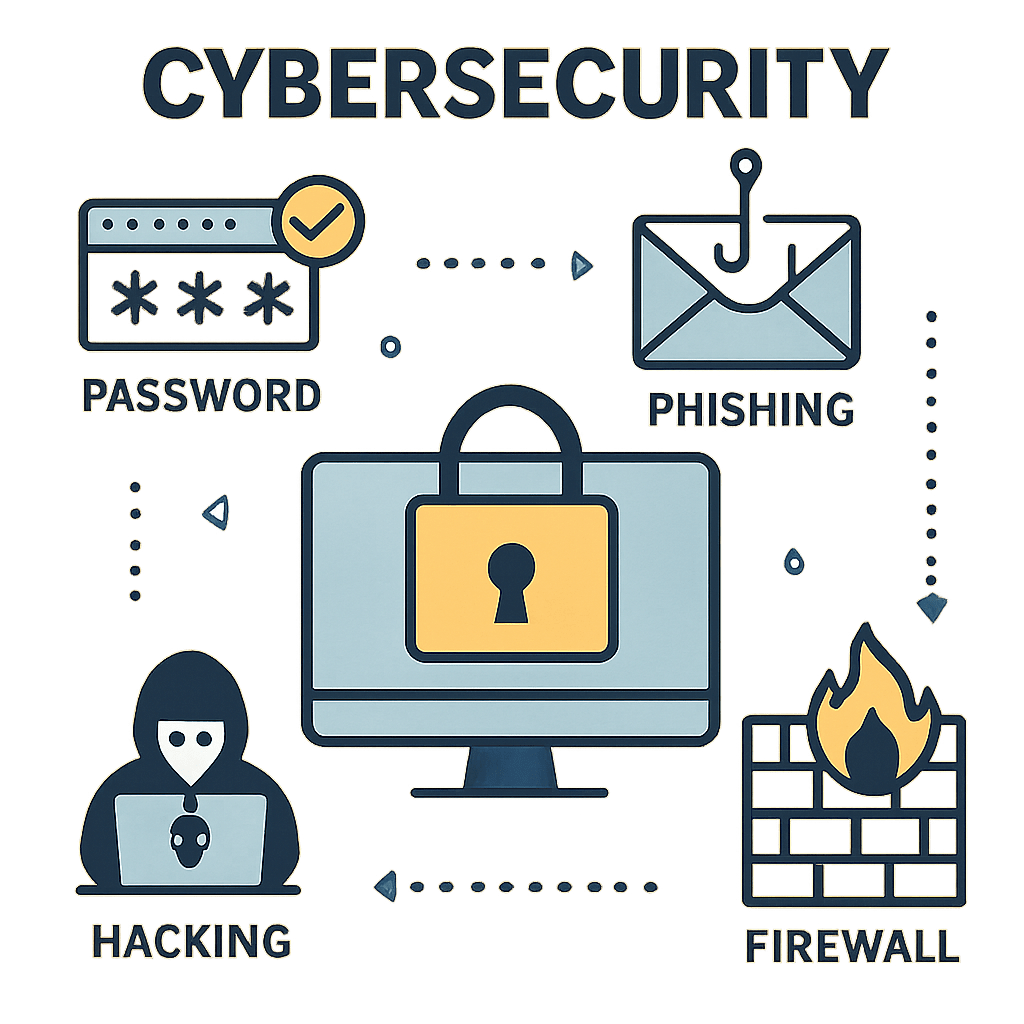
Understanding cybersecurity basics involves learning its terminology. Familiarity with terms like “phishing” and “firewall” is crucial.
To learn these basics, consider online resources and tutorials. Books and articles also provide valuable insights into foundational concepts.
Hands-on practice is vital. Engaging in cybersecurity exercises helps solidify basic knowledge. Building a home lab can be a practical solution.
The journey into cybersecurity starts with mastering these basics. As you advance, you’ll gain deeper insights and skills.
image
Cybersecurity basics serve as stepping stones toward a rewarding career. By understanding the foundation, you prepare yourself for future challenges and opportunities in the field.
Why Choose a Career in Cybersecurity?
Cybersecurity presents numerous attractive career opportunities. It’s a field with a growing demand for skilled professionals. Businesses worldwide seek cybersecurity experts to protect their digital assets.
The field offers diverse roles across various industries. Professionals find opportunities in sectors like finance, healthcare, and government. Each role brings unique challenges and learning experiences.
One of the main attractions is job security. With increasing cyber threats, cybersecurity expertise is more in demand than ever. This demand contributes to competitive salaries and benefits.
Benefits of a Cybersecurity Career
Job Stability: Consistent demand for skilled professionals.
High Earning Potential: Attractive salaries and growth opportunities.
Diverse Career Paths: Options to specialize in different areas.
Continuous Learning: Stay updated with evolving technology.
Cybersecurity also offers intellectual challenges. Professionals must think critically to anticipate and mitigate threats. This aspect keeps the work engaging and mentally stimulating.
For those keen on continuous learning, cybersecurity is ideal. The field is ever-evolving, with new threats emerging regularly. Staying ahead requires ongoing education and skill enhancement.
Another benefit is the potential for innovation. Cybersecurity experts develop innovative solutions to complex problems. This creativity drives both career satisfaction and field advancement.
image
Ultimately, a career in cybersecurity can be highly rewarding. It combines technical challenges with the satisfaction of protecting valuable information. Whether you’re a beginner or considering a career shift, the cybersecurity field offers robust growth potential and diverse pathways.
Core Technical Skills Every Cybersecurity Professional Needs
Aspiring cybersecurity professionals must focus on acquiring key technical skills. These skills form the foundation for a successful career in the field. Without them, one cannot effectively combat cyber threats.
Networking Fundamentals
A robust understanding of networking is essential. Networking fundamentals offer insights into how data travels. This knowledge is crucial for identifying potential vulnerabilities in network systems.
Professionals need to grasp concepts like IP addressing, subnetting, and network protocols. Understanding these elements helps in devising effective security measures. Moreover, it aids in monitoring and securing network traffic.
A grasp of network architectures is also vital. Knowing how different network components interact aids in threat detection. It allows for effective troubleshooting when security issues arise.
Important Networking Concepts
IP Addressing: Assigns unique addresses to devices.
Subnetting: Divides networks into sub-networks.
Protocols: Rules governing data communication.
image
Hands-on practice is key to mastering networking basics. Setting up small, controlled networks offers valuable experience. Real-world scenarios enhance the ability to manage and secure networks effectively.
Operating Systems and System Administration
Operating systems (OS) are the backbone of any IT infrastructure. Knowledge of OS concepts is crucial for cybersecurity roles. Professionals must be familiar with Windows, Linux, and macOS environments.
Understanding system administration tasks is equally important. These tasks include configuring systems, managing resources, and setting up security policies. Competence in these areas ensures systems are secure and efficient.
Programming and Scripting Languages
Programming skills are invaluable in cybersecurity. They enable professionals to automate tasks and develop security tools. Languages like Python, C++, and Java hold significant relevance.
Python is especially important for scripting and automation. Its simple syntax and versatility make it a favorite. Professionals use it for tasks ranging from data analysis to exploiting scripts.
Essential Programming Languages
Python: Ideal for automation and scripting.
C++: Useful for developing security applications.
Java: Crucial for understanding web vulnerabilities.
image
Understanding multiple languages broadens one’s capabilities. It enhances adaptability to various tasks and challenges. However, specializing in one or two languages can lead to mastery and expertise.
Encryption and Cryptography
Encryption plays a crucial role in protecting data. Professionals must understand cryptography fundamentals. This knowledge ensures data integrity and confidentiality during transmission.
Exploring different cryptographic techniques is important. These include symmetric and asymmetric encryption methods. Each method has specific use cases and benefits.
Key Cryptographic Techniques
Symmetric Encryption: Uses a single key for encryption and decryption.
Asymmetric Encryption: Utilizes a pair of keys, public and private.
Hash Functions: Ensures data integrity without revealing actual data.
Applying cryptographic concepts to real-world scenarios is critical. Professionals develop encryption strategies to protect sensitive information. This expertise is vital in sectors like finance and healthcare, where data protection is paramount.
In summary, mastering these technical skills positions cybersecurity professionals for success. They form the foundation upon which more advanced knowledge is built. As the cybersecurity landscape evolves, continuous learning and skill adaptation remain essential.
Essential Soft Skills for Cybersecurity Success
While technical prowess is crucial in cybersecurity, soft skills play an equally important role. These skills enhance a professional’s ability to interact and operate within a team. They also contribute significantly to career advancement.
Communication
Clear communication is vital in cybersecurity roles. Professionals must convey complex information in understandable terms. Whether speaking with technical or non-technical staff, clarity is essential.
Strong written skills are equally important. Crafting precise reports and documentation is part of the job. This ensures that all stakeholders understand security protocols and incidents.
Key Communication Skills
Clarity: Explain technical issues simply.
Listening: Understand and respond to feedback.
Reporting: Document findings and incidents accurately.
Problem-Solving and Critical Thinking
Cybersecurity involves facing and overcoming numerous challenges. Problem-solving skills enable quick and effective resolution of security issues. Professionals must think critically to anticipate and mitigate risks.
Innovative thinking is another important asset. Cyber threats evolve rapidly, requiring new solutions. Professionals who think outside the box are invaluable in combating such threats.
Critical Thinking Skills
Analysis: Break down complex problems.
Innovation: Develop creative solutions.
Adaptability: Adjust strategies as threats change.
Teamwork and Collaboration
Cybersecurity is often a team effort. Professionals must work collaboratively to manage security threats. Effective teamwork ensures seamless operation and quick response to incidents.
Understanding team dynamics improves cooperation. Knowing how to leverage each member’s strengths results in better outcomes. It also fosters a positive working environment.
Collaborative Skills
Cooperation: Work efficiently with others.
Conflict Resolution: Manage and resolve disputes.
Empathy: Understand team members’ perspectives.
In summary, developing soft skills enhances a cybersecurity professional’s effectiveness. While technical knowledge forms the core, soft skills enrich interactions and operations. Balancing these capabilities leads to career success and fulfillment in the field.
Key Cybersecurity Tools and Technologies
Cybersecurity professionals rely on an array of tools to safeguard digital environments. Knowing how to use these tools effectively is essential. Each tool serves a specific purpose in protecting networks and data.
Intrusion Detection and Prevention Systems (IDPS)
IDPS are crucial for monitoring network traffic. They alert professionals to potential threats. In some cases, they can automatically block harmful traffic, preventing breaches.
Common IDPS tools include Snort and Suricata. These tools analyze real-time network data. They help identify and mitigate various cyber threats.
Popular IDPS Tools
Snort: Real-time traffic analysis.
Suricata: High-performance network threat detection.
image
Firewalls
Firewalls are the first line of defense against cyber attacks. They control the incoming and outgoing network traffic. This limits unauthorized access while allowing legitimate communication.
There are various types of firewalls. These include hardware, software, and cloud-based options. Each type provides different levels of protection.
Types of Firewalls
Hardware: Physical devices between networks.
Software: Installed on devices to protect them.
Cloud-Based: Hosted security in cloud environments.
Antivirus and Antimalware Software
Protecting against malware is a priority in cybersecurity. Antivirus software detects and removes malicious software. This includes viruses, ransomware, and spyware.
The effectiveness of antivirus software depends on regular updates. New threats emerge constantly, requiring frequent signature updates. Popular antivirus programs include Norton, McAfee, and Bitdefender.
image
Encryption Tools
Encryption tools are vital for data protection. They secure sensitive data, making it unreadable without the correct decryption key. This ensures data remains private and secure from unauthorized access.
Common encryption tools include VeraCrypt and OpenSSL. These tools protect data at rest and in transit, providing essential security measures.
Important Encryption Tools
VeraCrypt: Secure container creation for data.
OpenSSL: Cryptographic functions and protocols.
In conclusion, understanding and using these tools effectively enhances a professional’s cybersecurity capabilities. Mastery of these tools builds a robust defense against ever-evolving threats, ensuring secure cyber environments.
Cybersecurity Specializations and Career Paths
The field of cybersecurity offers a multitude of career paths. Each path requires a unique set of skills and expertise. Specializing in a particular area can enhance career prospects and growth.
Cybersecurity Analyst
A cybersecurity analyst is at the forefront of defense. They monitor networks for security breaches. Analysts use their expertise to protect against attacks.
They often identify vulnerabilities in systems. This role requires strong analytical skills. Familiarity with security tools is essential for this position.
image
Penetration Tester
Penetration testers, or ethical hackers, test systems to find weaknesses. They simulate attacks to evaluate security measures. This helps organizations strengthen their defenses.
Testers need to think like hackers. They require deep technical knowledge. Creativity and problem-solving skills are key in this role.
Security Engineer
Security engineers build and maintain IT security solutions. They develop security policies to defend against cyber threats. Their focus is on creating robust security frameworks.
An engineer’s role involves a mix of planning and implementation. They ensure that security measures are effective and updated. This requires attention to detail and technical proficiency.
Common Career Paths in Cybersecurity
Cybersecurity Consultant: Offers expert advice to organizations.
Incident Responder: Deals with security breaches and data incidents.
Chief Information Security Officer (CISO): Oversees all cybersecurity policies.
Digital Forensics Expert
Digital forensics experts uncover and analyze digital evidence. They often work on investigations involving cyber crimes. Their findings are used in legal proceedings.
This specialization requires understanding both technology and law. Forensics experts must be meticulous in their analysis. They often work closely with law enforcement.
Security Architect
Security architects design secure IT infrastructures. They assess potential risks and develop security frameworks. Their role is vital in building resilient systems.
An architect’s job is both strategic and tactical. They must foresee future threats. This ensures long-term protection of digital assets.
Advanced Specializations
Malware Analyst: Studies and dissects malicious software.
Cloud Security Specialist: Focuses on securing cloud computing environments.
IoT Security Analyst: Secures internet-connected devices.
In conclusion, cybersecurity offers diverse career opportunities. Specializations allow professionals to hone specific skills. Choosing a path that aligns with one’s interests and strengths is key to a fulfilling career.
How to Learn About Cybersecurity: Effective Strategies
Embarking on a cybersecurity learning journey involves strategic planning. The field requires constant updating of skills. Leveraging different learning methods is crucial.
Begin by understanding cybersecurity fundamentals. Building a strong foundation is key. Grasp the basics before diving into more complex topics.
Structured learning paths are beneficial. They provide a clear roadmap for progression. Explore both formal education and self-study options.
Hands-on practice is essential for skill development. Practical experience solidifies theoretical knowledge. It prepares you for real-world challenges.
Online platforms offer diverse resources. From courses to tutorials, the options are vast. Choose reputable sources for accurate and up-to-date information.
Networking with professionals can enhance learning. Join cybersecurity communities and forums. Engage in discussions to gain insights and perspectives.
Participating in cybersecurity challenges is beneficial. Competitions like Capture The Flag (CTF) test your skills. They provide a competitive yet educational environment.
image
Reading cybersecurity news keeps you informed. Subscribe to trusted publications and blogs. Staying updated on trends is crucial.
Developing a personal learning plan helps structure efforts. Set specific goals and milestones. Track your progress to stay motivated.
Lastly, don’t neglect soft skills. Effective communication and problem-solving abilities are vital. They complement technical skills in cybersecurity roles.
Building a Home Lab for Hands-On Practice
Creating a home lab is a cornerstone of practical learning. It provides a safe environment to experiment. The setup doesn’t require extensive resources.
You can start with basic equipment. An old computer or a virtual machine can suffice. The goal is to simulate network environments.
Begin by setting up different operating systems. This helps understand their security nuances. Experiment with various network configurations.
Include tools used by professionals. Firewalls and intrusion detection systems are essential. These tools provide practical exposure to real-world scenarios.
Essential Tools for a Home Lab
VirtualBox or VMware for creating virtual machines.
Wireshark for network analysis.
Kali Linux for penetration testing practice.
Building a home lab encourages experimentation. It fosters creativity in problem-solving. Use your lab to explore new vulnerabilities safely.
Online Courses, Bootcamps, and Certifications
Online courses are an accessible way to learn. They offer flexibility and cater to various learning styles. Popular platforms host a wide range of cybersecurity content.
Choose courses with hands-on labs. These reinforce learning through practical experience. Ensure the content is regularly updated to reflect industry changes.
Bootcamps are intensive learning programs. They focus on job-ready skills. Consider reputable bootcamps with proven results.
Certifications validate your skills and knowledge. They are recognized by employers globally. Some crucial certifications include CompTIA Security+, CISSP, and CEH.
image
Coursera and edX for university-level courses.
Udemy for affordable and diverse options.
Cybrary for a comprehensive cybersecurity library.
Certifications often require passing exams. They cover a range of topics from basics to advanced. Continuous preparation and practice are required.
Joining study groups can enhance preparation. Collaborate with peers to clarify doubts. Sharing knowledge accelerates learning.
Certifications boost your professional credibility. They demonstrate a commitment to the field. Stay current with certifications to maintain your edge.
Gaining Real-World Experience
In cybersecurity, real-world experience is invaluable. It’s where theory meets practice. This hands-on involvement is critical for professional growth.
Internships provide a gateway to the industry. They offer firsthand exposure to cybersecurity tasks. Through internships, you gain practical insights into daily operations.
Volunteering is another avenue to gain experience. Many organizations seek volunteers for security initiatives. It allows you to contribute and simultaneously sharpen your skills.
image
Participating in freelance projects can also be beneficial. This helps broaden your knowledge and understanding. It prepares you for varied cybersecurity challenges.
Networking with industry professionals can open doors. Attending conferences and seminars provides networking opportunities. Building these connections can lead to potential job offers.
Seek mentor guidance whenever possible. Learning from experienced professionals is immensely valuable. They can offer advice that’s rooted in years of experience.
Engaging in cybersecurity competitions enhances skills. They simulate real-world security scenarios. These experiences teach you to think critically and act decisively.
Effective Ways to Gain Real-World Experience
Secure an internship at a tech company.
Volunteer for security roles in organizations.
Engage in freelance cybersecurity projects.
Through these avenues, your practical understanding deepens. You’ll encounter and resolve diverse security issues. This experience is instrumental in advancing your career.
Real-world experience in cybersecurity offers practical knowledge. It enhances employability and solidifies theoretical learning. Experience is the bridge between academia and the industry.
Staying Current: Continuous Learning and Professional Development
The cybersecurity landscape is ever-changing. New threats emerge constantly, requiring adaptability. Staying updated is crucial for all professionals.
Continuous learning is a necessity, not an option. Cybersecurity professionals must commit to lifelong education. This commitment keeps skills fresh and relevant.
Professional development involves more than technical skills. Soft skills also play a crucial role. Communication and problem-solving are equally important.
image
Engage with industry news and trends regularly. Subscribing to cybersecurity news outlets is helpful. This practice ensures awareness of current developments.
Online webinars and workshops are beneficial. They often focus on recent advancements and tools. Participating in these can enhance your knowledge.
Active participation in cybersecurity communities is recommended. Forums, discussion boards, and social media groups are excellent resources. They offer insights and foster collaborations.
Steps to Maintain Professional Development
Regularly attend webinars and workshops.
Subscribe to cybersecurity news channels.
Join professional cybersecurity groups online.
Commitment to continuous learning bolsters careers. It ensures readiness to tackle new cybersecurity threats. In this field, staying current is synonymous with staying competent.
This proactive approach leads to professional growth. It opens doors for career advancement. Maintaining an up-to-date skillset is key to success in cybersecurity.
Building Your Cybersecurity Portfolio and Network
Creating a robust cybersecurity portfolio is crucial. It showcases your skills and projects. Employers often look for tangible evidence of capability.
A well-crafted portfolio includes various elements. Document your projects, certifications, and accomplishments. Include experiences from internships or personal projects.
Networking is equally important in cybersecurity. Building a network opens doors to opportunities. It connects you with professionals who can guide your journey.
Attend industry conferences and events. These gatherings are perfect for networking. They offer chances to meet experts and peers.
Use online platforms to expand your network. LinkedIn is ideal for professional connections. Engage in discussions and share your insights regularly.
Steps to Build a Strong Network
Attend cybersecurity conferences and seminars.
Connect with professionals on LinkedIn.
Participate in online cybersecurity forums.
Developing a portfolio paired with networking fosters growth. Together, they build credibility and open career opportunities. In cybersecurity, your network can be as valuable as your skills.
Common Challenges for Beginners and How to Overcome Them
Entering the world of cybersecurity can be daunting. Beginners often face several hurdles. Understanding these challenges is the first step to overcoming them.
A common issue is information overload. The field’s vastness can seem overwhelming. Prioritizing learning goals helps manage this. Focus on mastering one skill at a time.
Lack of hands-on experience can also be a barrier. Theory is important, but practice solidifies knowledge. Engage with home labs or simulations to build practical skills.
image
Networking fundamentals may initially pose difficulties. Understanding networking is essential. Utilize beginner-friendly resources to simplify complex concepts.
Strategies to Overcome Challenges
Set clear, attainable learning objectives.
Dedicate time daily to hands-on practice.
Seek guidance from mentors and professionals.
Lastly, staying updated with trends is crucial yet challenging. Cybersecurity is ever-changing. Subscribe to reputable blogs and podcasts to stay informed.
Facing these challenges head-on fosters growth. Persistence and patience are key. With dedication, beginners can thrive and advance in cybersecurity.
Frequently Asked Questions About Learning Cybersecurity
Many aspiring cybersecurity professionals have common questions. Addressing these queries can ease entry into the field.
One frequent question is about starting points. Begin with cybersecurity basics, like learning about network security and data protection. Resources for beginners are abundant and accessible online.
Certification paths can also be confusing. Popular certifications, such as CompTIA Security+ and CEH, provide structured learning. These credentials can validate skills to employers.
Frequently Asked Questions
What are the essential skills to learn first?
Which certifications are most valued in cybersecurity?
How can I get hands-on experience without a job?
Another concern is gaining practical experience. Home labs and internships offer immersive opportunities. Engaging in cybersecurity competitions can also enhance real-world skills.
Lastly, maintaining motivation can be tough. Set short-term goals and reward achievements. Joining a community of like-minded learners can provide support and encouragement.
Conclusion: Your Roadmap to a Successful Cybersecurity Career
Venturing into cybersecurity promises a fulfilling and dynamic career. Commitment to learning is crucial in this ever-changing domain. This guide highlights the steps necessary to succeed in this field.
Start with foundational knowledge. Grasp cybersecurity basics, then expand to advanced topics like cryptography. This depth prepares you for specialized roles.
Key Steps to Begin Your Journey
Learn cybersecurity basics and terms.
Build foundational technical skills.
Pursue relevant certifications.
Gain hands-on experience through labs or internships.
Continuously update knowledge on current trends.
Certifications signal competence and dedication to potential employers. Certifications such as CISSP or CEH are recognized widely. They are investments in your professional growth.
Lastly, seek real-world experiences to hone skills. Engage with the cybersecurity community to stay informed and inspired. This proactive approach paves your path to success, providing a solid foundation to build a rewarding career.
The post Learn Cybersecurity: Essential Skills for Beginners appeared first on Codelivly.
No Responses