The physical roots of resilience
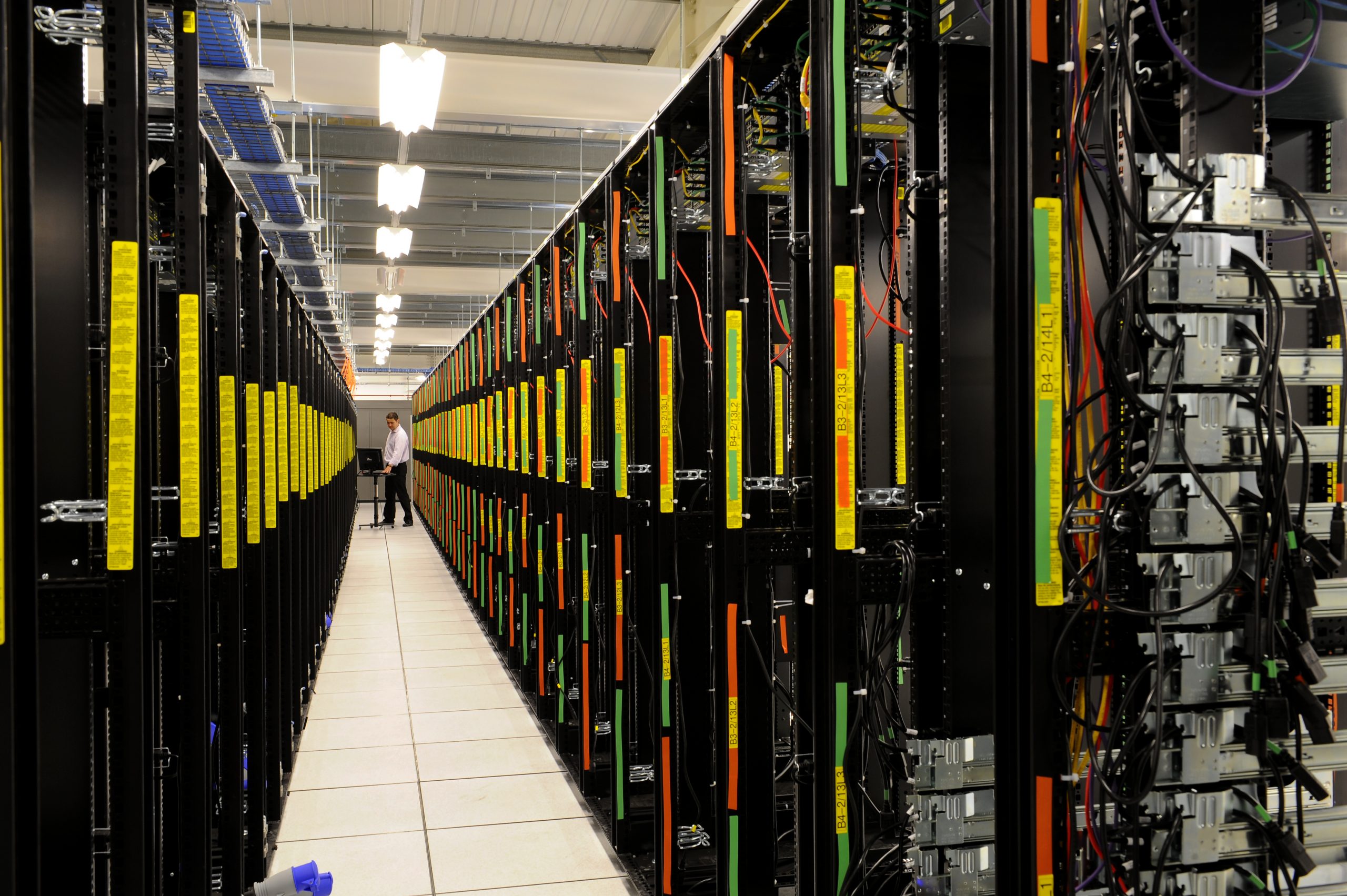
Five years ago, at 2 a.m., I stood in a data center aisle watching a core switch lose a power supply. The room was cold, the fans loud and the alert light blinked amber. Within four seconds, the backup unit took over. Not a single packet dropped. That seamless, silent shift captured the essence of networking redundancy at its best: automatic, invisible and flawless. It was the kind of moment engineers live for — a quiet victory in the dark.
Today, that same principle faces relentless pressure. Networks have outgrown physical racks and now span hybrid clouds, edge nodes, SD-WAN overlays, API gateways and micro-segmented virtual fabrics. Redundancy no longer means just extra hardware or twin fiber links. It demands survival against misconfigured routing policies, regional DNS outages, zero-day exploits in router firmware and cascading failures triggered by human error or supply chain compromise. The landscape has evolved dramatically, but the core lessons — built on discipline, foresight and trust — endure.
My journey began with physical infrastructure, back when reliability was measured in cables and chassis. Every server connected through dual paths, with link aggregation bundles split across two top-of-rack switches, each uplinked to separate core routers over distinct fiber routes. I once spent an entire weekend labeling cables with color-coded heat shrink: red for primary, blue for backup. It was meticulous, almost meditative work. When a technician accidentally kicked a patch cord loose during a floor tile replacement, traffic shifted in under 200 milliseconds. No alarms triggered. No user complaints. The monitoring dashboard stayed green. That reliability felt like muscle memory: predictable, testable and deeply tangible. It was redundancy you could touch, trace and trust.
Cloud complexity and policy traps
Networks, however, no longer stay confined to racks. They live in routing tables, BGP sessions, cloud control planes and software-defined overlays. Many organizations rush to multi-region cloud setups, believing geographic distance alone guarantees resilience. It does not. Last year, I oversaw a global e-commerce platform with active-passive failover across two regions. Health checks withdrew prefixes from the primary if latency crossed 80 ms.
During a routine maintenance window, a junior engineer mistyped a BGP community tag. Instead of marking one subnet, the change blocked the entire backup path with a no-export rule. Traffic surged onto an already saturated primary link, pushing packet loss to 11 percent. The backup route was healthy, advertising correctly and fully reachable — yet policy prevented its use. We corrected the error in six minutes, but customers felt the impact for nearly 40. The takeaway was stark: redundancy without aligned policies is mere decoration, expensive and useless when it matters most. This mirrors the 2024 Cloudflare 1.1.1.1 hijack incident caused by a leaked border gateway (BGP) route.
As cloud environments grow, consistency becomes harder to maintain. A small template tweak in one availability zone can cascade across regions if copied unchecked, turning intended protection into widespread failure. Teams now manage configurations like code, with versioning, peer reviews, staged testing and automation to enforce uniformity. Tools like infrastructure-as-code pipelines, policy engines and drift detection systems are no longer optional — they are the new standard for scalable resilience.
SD-WAN extends these challenges to branch locations, linking multiple internet paths for fluid failover and intelligent, application-aware routing. It promises simplicity and agility. Yet a single carrier firmware update can degrade performance everywhere, even when links remain active. I’ve seen MTU mismatches, encryption mismatches and path preference bugs ripple through hundreds of sites in minutes. Phased rollouts, strict change policies and gradual deployment rings prevent blanket disruption.
The same discipline applies at the edge, where devices in retail stores, warehouses or remote clinics depend on local backups for speed and continuity. A rushed firmware push can erase that safety net across all units, forcing field teams to restore from USB drives or mobile hotspots. Careful staging, rollback plans and on-site recovery kits are now part of every deployment checklist.
Routing mistakes and DNS breakdowns lurk as quiet, persistent risks. One errant rule can dead-end traffic and even solid backups stay idle if policies block them. Robust prefix filters, route validation and RPKI enforcement keep paths safe. Likewise, DNS backups must operate independently — free of shared anycast IPs, providers or control planes — to avoid joint collapse. Security checks, DNSSEC and diverse resolver strategies strengthen failover. These are not add-ons; they are foundational to modern network hygiene.
Anticipating the inevitable: Pre-mortem and defense in depth
The next outage is already taking shape, hidden until the first alert. It might hide in a supply chain flaw inside a trusted IOS-XR patch, quietly altering routes worldwide. Or it could stem from a single flawed intent policy in an ACI fabric, isolating entire application layers with surgical precision. External forces like wildfires, floods or geopolitical events can force data center evacuations, knocking out power grids and delaying generators for hours. The 2021 Fastly global outage — triggered by one valid config change exposing a hidden bug — shows how fast a CDN can collapse. These scenarios are not speculation; they are probabilities waiting to strike, each with its own failure signature.
Experience reframes the question. Failure is inevitable in infrastructure work. What matters is how it unfolds, how precisely and whether the design anticipates that exact failure mode. Resilience now means shaping failure’s impact, not stopping it. This mindset demands a new ritual: the pre-mortem. In every design review, we assume total failure at peak load. We trace dependencies — transit providers, certificate authorities, undersea cables, even physical access roads. We hunt for shared fate: two “diverse” carriers in the same conduit, a single control plane for multi-region DNS or a vendor update applied globally without validation. Each discovery triggers action: a new peer, a policy rewrite, a satellite link or a dark fiber lease. AWS recommends pre-mortems in its Reliability Pillar.
Two years ago, I sat in a dim network operations center at 3 a.m., cold coffee forgotten, as one BGP update spread chaos via a global transit provider. A peer leaked a default route with lower preference, sucking outbound traffic into oblivion. The backup path was fully functional, yet our policy still favored the tainted route. For 17 minutes, half the internet vanished for users. Customers raged. Executives demanded answers. A swift prefix filter fixed it, but the lesson lingered: redundancy requires not just a second path, but intelligence to choose it wisely and reject the wrong one. That night, I rewrote our change process: no routing policy touches production without simulation, peer review and automated testing.
Observability unifies the picture. A consolidated view of logs, traffic flows, performance metrics and control plane health spots weakening paths before collapse, enabling fixes before users notice. Cost tensions persist. Leaders crave full redundancy yet settle for cheaper, correlated links that fail together. Genuine resilience needs true separation, geographic distance and sometimes higher budgets, all justified by the disruptions avoided. A $50,000 cross-connect can prevent a $2 million outage. The math is simple.
Automation now manages routine failovers, sensing issues and shifting traffic instantly so engineers tackle root causes, not manual switches. The next disruption looms from software bugs, policy slips, physical cuts or zero-day attacks. Effective planning means expecting breakdown, mapping vulnerabilities and scripting clear recovery. In a recent breach, an attacker tried hijacking core routing via a compromised jump host. Layered defenses — RPKI, prefix filters and automated session resets — contained it. Users saw only a 40 ms blip. Redundancy had matured from spare cables into a dynamic blend of security, automation and vigilance.
The foundational principles hold: remove single points of failure, secure real separation, automate responses and monitor relentlessly. The scale has ballooned — from patch panels to cloud regions, from local switches to global routes — but the mission stays constant: keep data moving regardless of obstacles. Outages will come. They always do. But with redundancy woven into a tested, trusted and adaptable network, their sting will fade and the packets will keep flowing.
This article is published as part of the Foundry Expert Contributor Network.
Want to join?
No Responses